
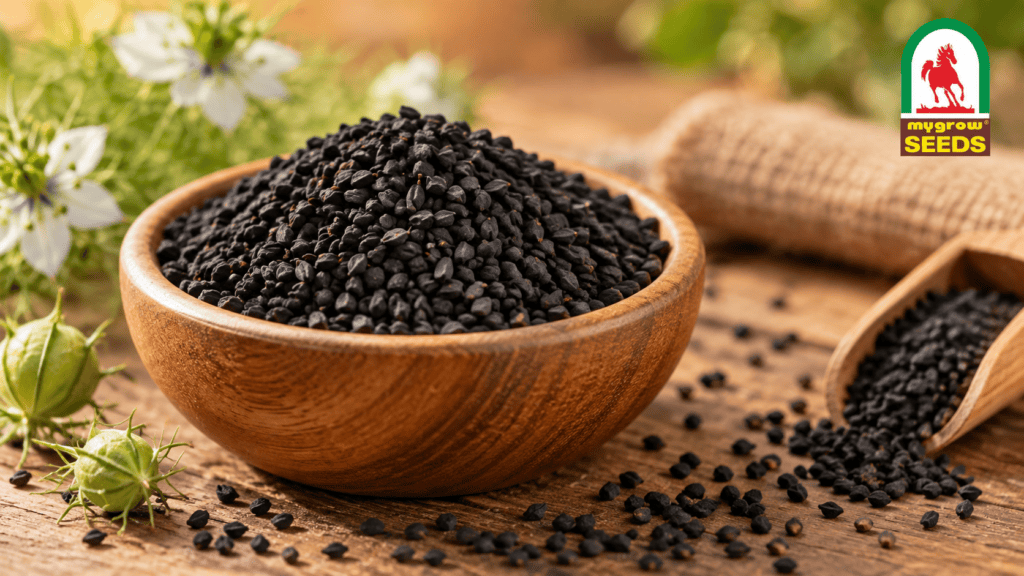
Kalonji Seeds — Health Benefits and How to Use Them
“Kalonji seeds uses span far beyond the kitchen shelf — this small black seed, often called black cumin, has quietly earned its place as one of the most trusted natural remedies across Indian households. Long before it became a wellness trend, kalonji was already sitting in most kitchen cabinets, used in cooking, home remedies, and traditional hair care. If you’ve been wondering about the different kalonji seeds uses and whether it’s worth adding to your daily routine, here’s a closer look.”
What Makes Kalonji So Popular?
Kalonji seeds come from the Nigella sativa plant, and they’ve been part of traditional medicine systems for centuries, particularly in Ayurveda and Unani practices. The small black seeds carry a slightly bitter, peppery flavor and are packed with compounds believed to support overall wellness. What makes kalonji stand out is how versatile it is — the same seed shows up in cooking, skincare, hair oils, and even simple home remedies passed down through generations.
Key Health Benefits of Kalonji Seeds
There’s a reason kalonji has stayed relevant for so long. Some of the benefits most commonly associated with it include:
- Supports immunity — regularly used in traditional remedies to help the body’s natural defenses
- Aids digestion — often taken to ease bloating and support gut comfort
- Anti-inflammatory properties — used traditionally to help reduce mild inflammation
- Promotes healthier hair — kalonji oil is a staple in many home hair-care routines, especially for reducing hair fall
- Supports skin health — commonly used in face packs and oils for its calming properties
None of this means kalonji is a cure-all, but its long history of use across different cultures says a lot about how trusted it’s become as a natural addition to daily wellness.
Popular Kalonji Seeds Uses in Daily Life
So how do people actually use kalonji day to day? A few common methods stand out:
In cooking — Kalonji seeds are often added whole to curries, dals, and bread (like naan) for a subtle, earthy flavor. A quick tempering in hot oil brings out its aroma nicely.
With honey — One of the simplest and most common uses is mixing a small amount of roasted kalonji powder with honey, taken first thing in the morning.
As an oil — Cold-pressed kalonji oil is widely used topically, especially massaged into the scalp for hair health, or applied to skin for its soothing properties.
In herbal teas — Some people add crushed kalonji seeds to herbal tea blends for a warming, earthy note along with the potential wellness benefits.
Whichever method you choose, starting with small quantities is a good idea, since kalonji is fairly potent even in small doses.
Growing Kalonji at Home
If you’d rather grow your own supply than buy it ready-made, kalonji is fairly easy to cultivate. It grows well in well-drained soil and prefers cooler weather, making the winter season ideal for sowing. The plant produces attractive blue-white flowers before forming seed pods, which are later harvested and dried for use.
Quick Tips for Getting the Most from Kalonji Seeds Uses
- Roast kalonji seeds lightly before use to bring out a deeper flavor and aroma
- Store seeds in an airtight container away from direct sunlight to preserve potency
- Start with small daily amounts (around half a teaspoon) rather than large quantities
Conclusion
From kitchen shelves to skincare routines, the many kalonji seeds uses explain why this small black seed has remained a household staple for generations. Whether you’re adding it to your cooking, trying it in oil form, or growing your own plant at home, kalonji is one of those simple, time-tested ingredients worth having around.
Looking to buy quality kalonji seeds? Check out our Herbal Seeds page for the best prices, with delivery across India.
For additional information on agricultural research and farming practices, farmers can also explore resources from the Indian Council of Agricultural Research (ICAR).
замена венцов новокузнецк