
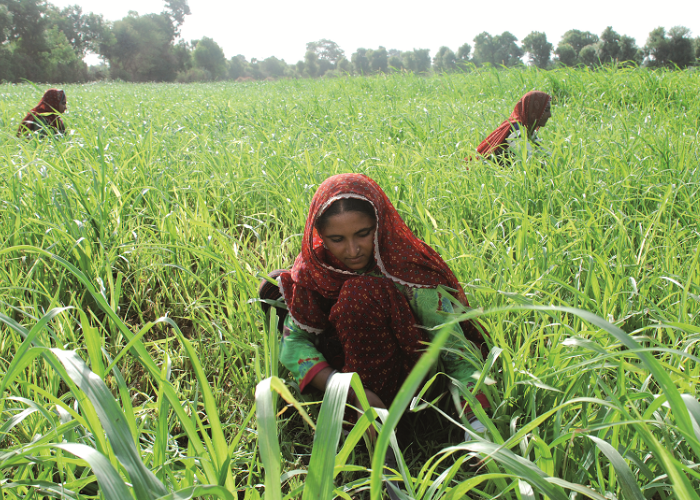
India is one of the world’s largest dairy producers, yet the demand for milk continues to grow every year. While improved cattle breeds and veterinary care help, the biggest contributor to enhanced milk yield is quality fodder. In this blog, we explore how fodder seeds play a vital role in dairy farming.
Why Fodder Matters
Dairy animals rely heavily on the nutrition they get from green fodder. Good quality fodder is the cheapest and richest source of digestible protein, fiber, and energy. Without sufficient feed, cattle cannot reach their natural milk production levels.
Types of Fodder Seeds
- Cowpea (Lobia): Protein‑rich, easy to grow, highly digestible.
- Marvel Grass: Fast growth and highly palatable for livestock.
- Sorghum and Maize: Excellent bulk fodder with energy value.
- Barseem and Lucerne: Known as the “king of fodder crops,” ensures round‑the‑year green supply.
Impact on Milk Yield
When animals receive protein‑rich fodder like cowpea or Lucerne, their digestion improves, health stabilizes, and milking capacity rises. Studies show that a balanced green fodder diet can increase milk yield by up to 20–25% compared to dry feed alone.
Economic Value for Farmers
Fodder farming reduces dependency on costly external feed. By adopting seeds like Russian Giant Cowpea or Napier Bajra Hybrid, farmers not only save costs but also enhance milk returns, ensuring better profit margins.
Conclusion
Fodder seeds are not just an input—they are the foundation of profitable dairy farming. In today’s competitive agriculture, choosing the right seeds means securing the future of both livestock and farmers’ incomes.