Sustainability is no longer just a global buzzword—it is the need of the Indian farmer today. With rising costs and climate variability, forage and grass seeds are a practical tool towards sustainable agriculture.
What Are Forage and Grass Seeds?
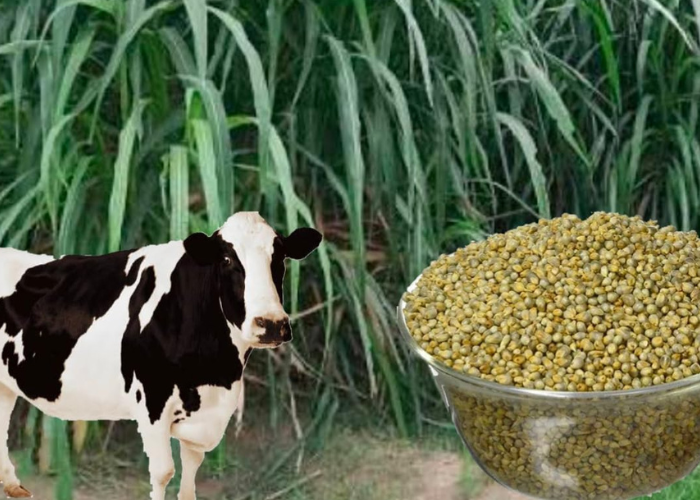
Forage seeds include grasses, legumes, and fodder crops grown primarily to feed livestock. Examples are Napier grass, rye grass, marvel grass, and cowpea. Farmers prefer them for fast growth, adaptability, and nutrient value.
Environmental Benefits
- Soil Health: Forage crops fix nitrogen, prevent erosion, and improve soil structure.
- Water Efficiency: Grasses like sorghum and bajra hybrids survive with less water.
- Biodiversity: Multiple forage species increase ecosystem resilience.
Economic Advantages
- Reduced costs on commercial animal feed.
- Higher milk yield from healthier livestock.
- Surplus grass often sold as fodder for extra income.
Farmer Success Story
Farmers in Rajasthan have benefitted from drought‑resistant marvel grass, ensuring their herds receive nutrition even in dry summers. Similarly, dairy farms in Punjab swear by Lucerne and Barseem for round‑the‑year cattle feed.
Conclusion
Sustainable farming begins with smart crop choices. Forage and grass seeds ensure long‑term soil fertility, lower costs, and healthier livestock. In short—they’re the seeds of sustainability every progressive farmer should adopt.